Custom Pet Portrait: Choosing the Photo for Your Drawing
Most of the work in a custom pet portrait happens before I pick up a pen. It starts when someone scrolls through their camera roll and chooses which photo to send me. A good photo lets me get the drawing right without much fuss. A poor one leaves me guessing at the shape of an ear or the colour of an eye, and guesses show.
I've written this for anyone about to order a pet portrait from a photo, which is usually for a gift. It covers what makes a picture work, and how line art and watercolour use the same photo in different ways.
The short version: send a sharp photo taken in daylight at your pet's eye level, with both eyes visible and the face filling a good part of the frame. Skip the flash and the filters. If you can't decide between a few, send them all and tell me which one you like best.
What makes a good photo for a custom pet portrait
Light
Sit your dog or cat near a window on a bright day, out of direct sun. In that soft light the fur texture and the shape of the face come through clearly. Flash does the reverse. It flattens the face and often turns the eyes green or white.
Strong midday sun outdoors has its own problem. It throws hard shadows under the brow, and the eyes disappear into them.
Angle and height
Get down to their level. A photo taken from standing height looks down on a pet, so the head comes out huge and the legs shrink to almost nothing. If you crouch or sit on the floor, the proportions stay true. For a head-and-shoulders portrait I find a straight-on or slight three-quarter view easiest to work from, because I can see both eyes and the line of the muzzle.
Sharpness and file quality
Zoom in on the eyes before you send anything. If you can see the catchlight, that small reflection of the window, the photo is sharp enough. Soft eyes are harder. I end up inventing the expression rather than drawing it.
Please send the original file from your phone rather than a screenshot. Compressed copies lose the fine detail around the whiskers first.
What is in the frame
A messy background doesn't matter, because I leave it out anyway. What does matter is anything covering the animal, like a lead across the chest or a hand resting on the head. Collars are a separate question. Just tell me whether you'd like the collar and tag kept in or left off.
A checklist before you send the photo
Go through this with the photo open on your phone. If most of it holds, the photo will draw well.
- Both eyes are visible and in focus.
- It was taken in daylight, without flash.
- The camera was roughly level with your pet's head.
- Portrait mode is off, or it has not blurred the tips of the ears.
- The ears and the top of the head are not cropped off.
- It is the original file, not a screenshot or a forwarded copy.
- The coat colour looks true to life. If not, you have a second photo that shows it.
- For a pet who has died, you have included every usable photo, even blurry ones.
Once your photo passes most of that list, you can send it through the pet portrait listings in the OpenHeartLines Etsy shop. If anything on the list worried you, mention it in your message and I'll tell you honestly whether it will work.
Line art or watercolour: how each style uses your photo
One photo can turn into two quite different pieces, and each style looks for different things in it. That's worth knowing before you pick.
Line art
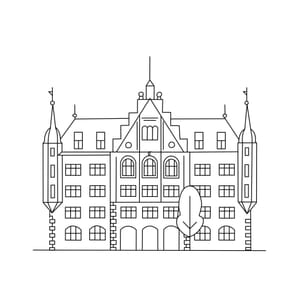
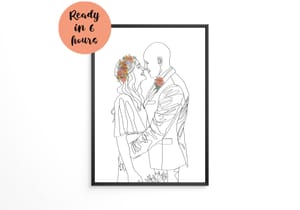
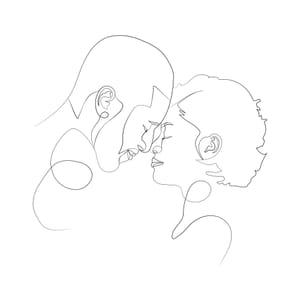
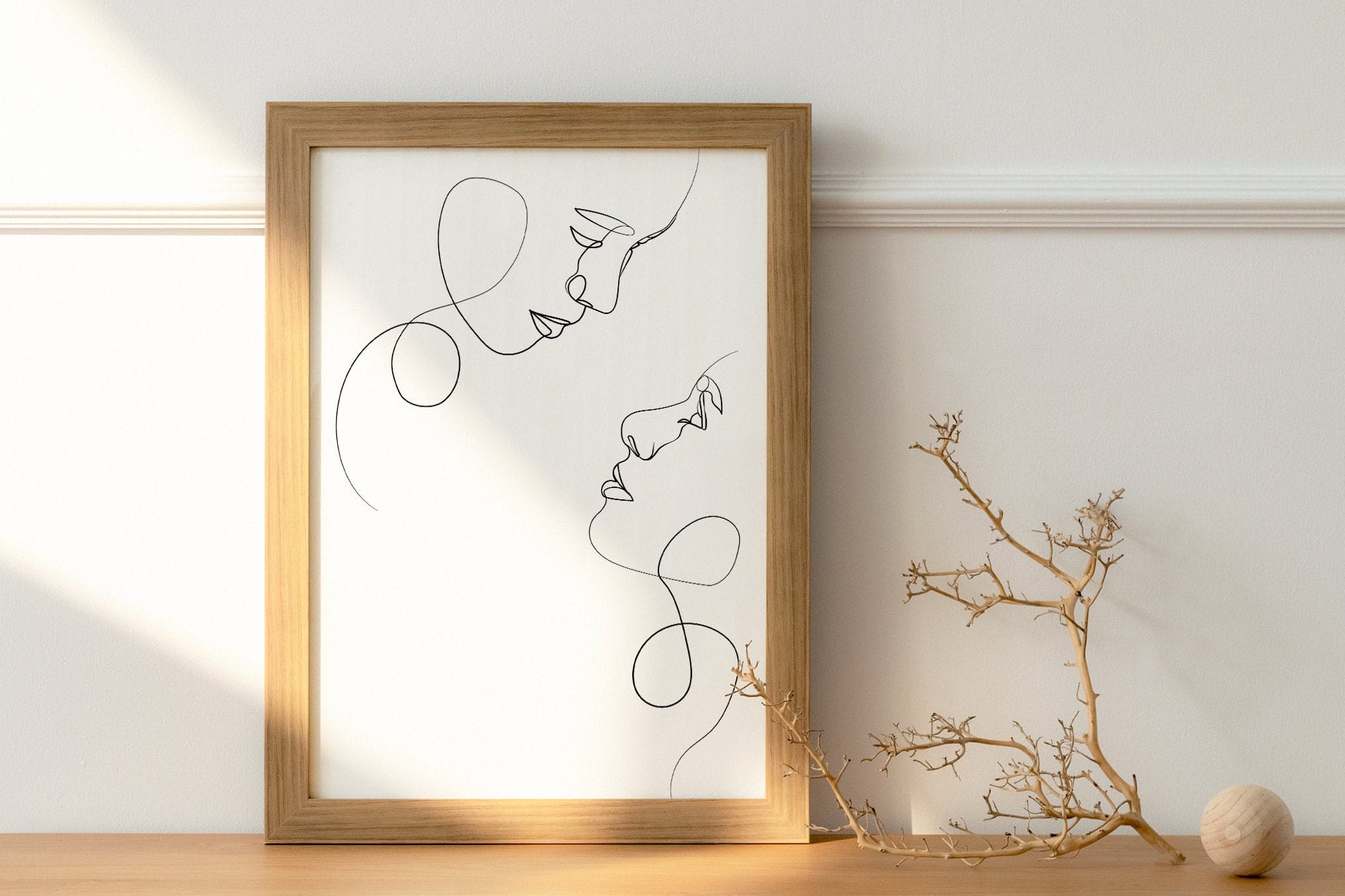
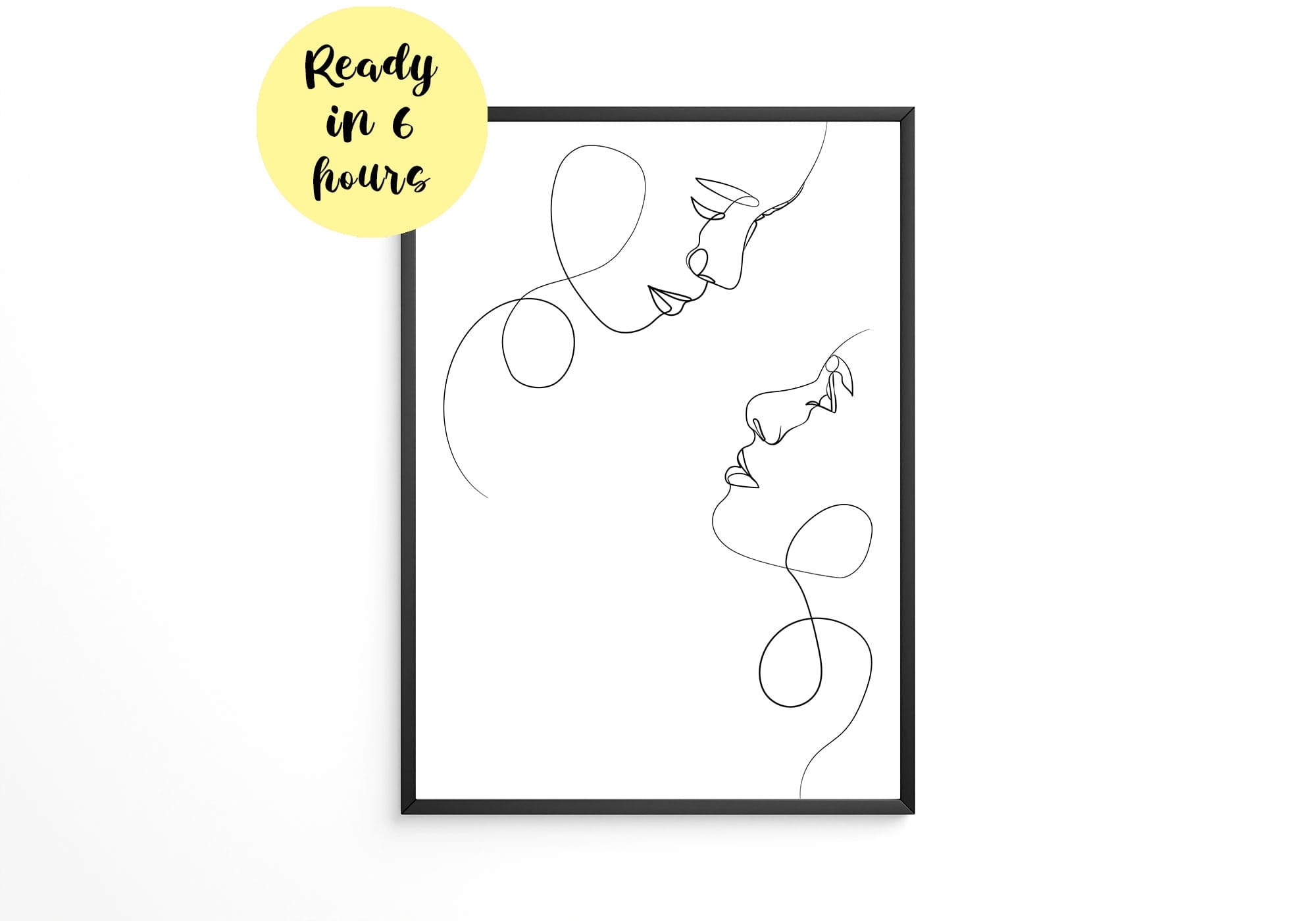
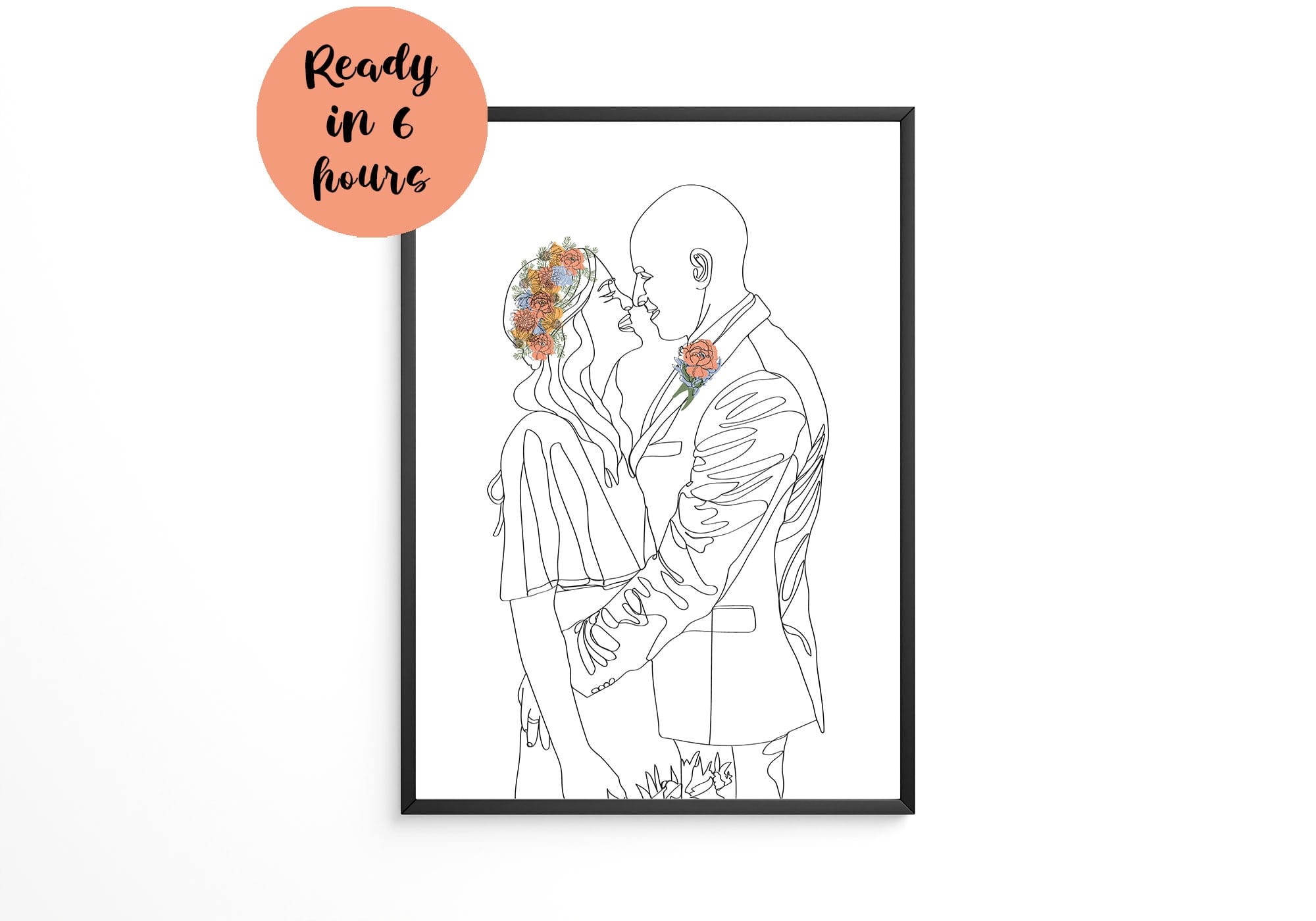
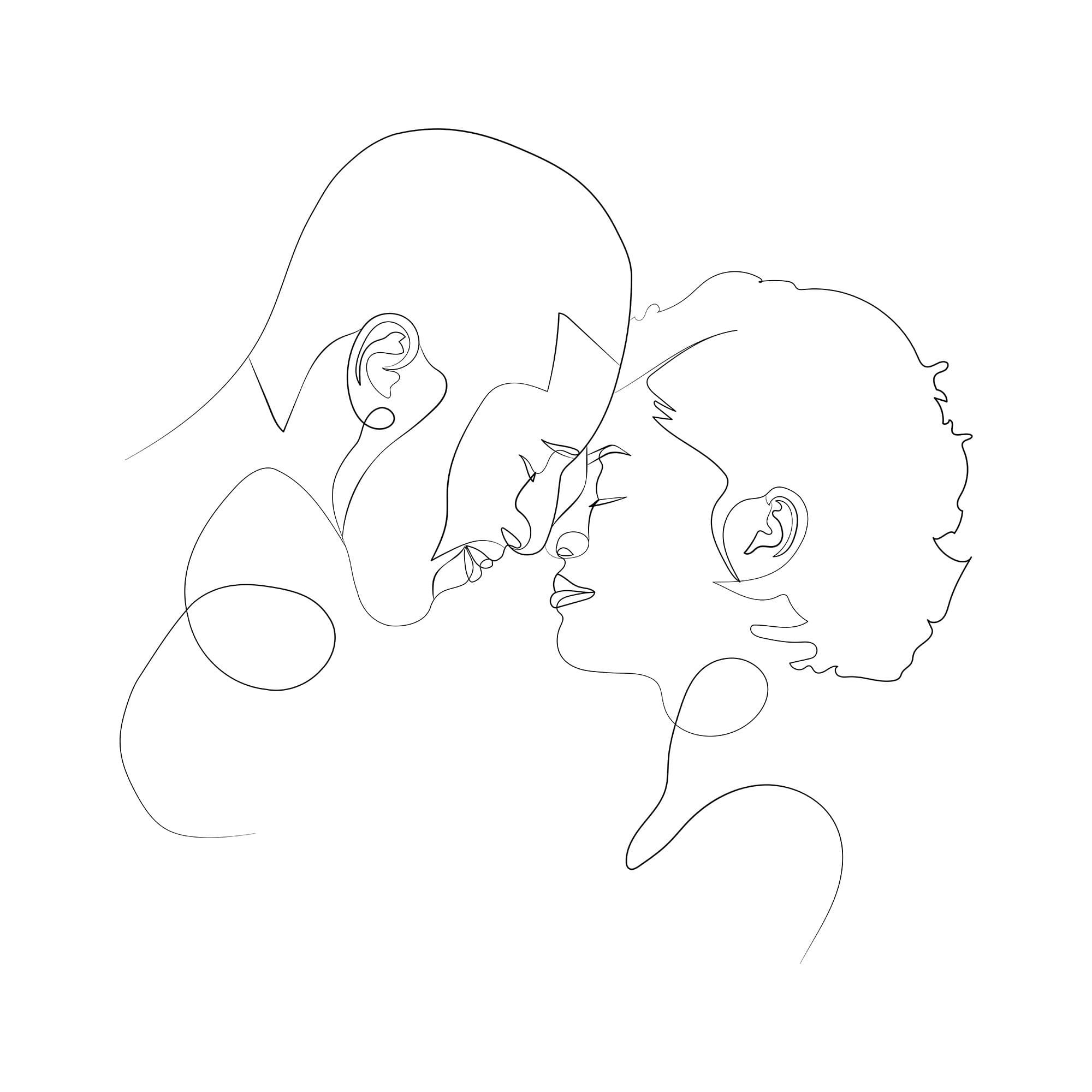
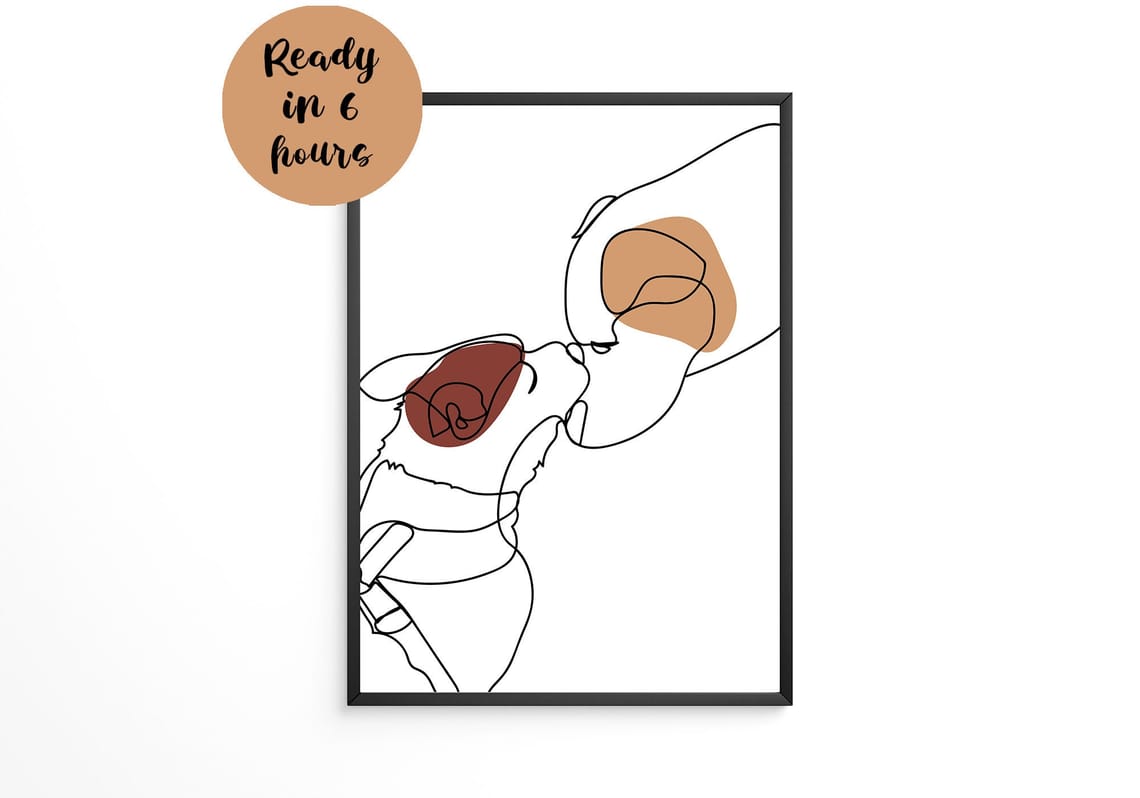
A dog line art drawing is mostly outline, with a few interior lines such as the edge of an ear or the fold above the eye. Colour hardly comes into it. Shape and expression carry the whole piece.
So a photo with a clear silhouette and a recognisable head tilt makes strong line art, even when the lighting is a bit dull. Our article on turning a photo into a custom line-art portrait goes into the line work in more detail.
Watercolour
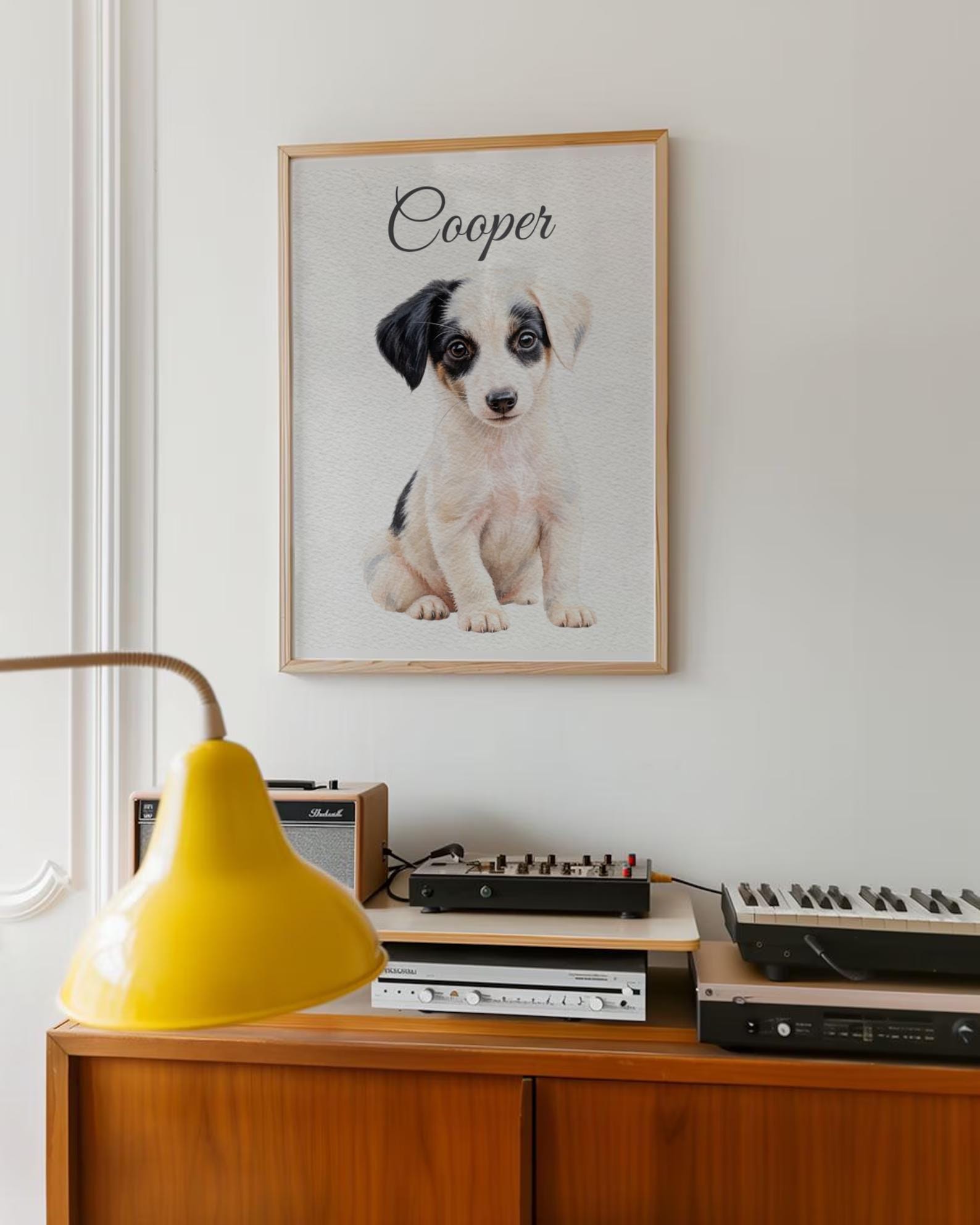
Watercolour asks more of the photo, because it depends on colour and light. I need to see the real shade of the coat: how a ginger cat goes pale under the chin, or where a black Labrador's fur turns brown in sunlight.
Warm indoor bulbs are the usual culprit. They make white dogs look cream and grey cats look brown. If the photo with the best pose has poor colour, send a second one that shows the true coat and tell me which is which.
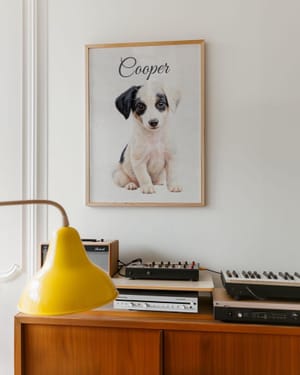
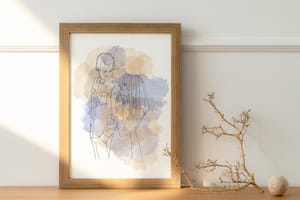
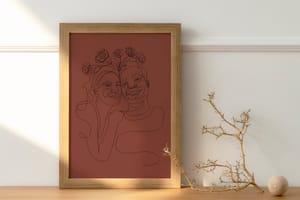
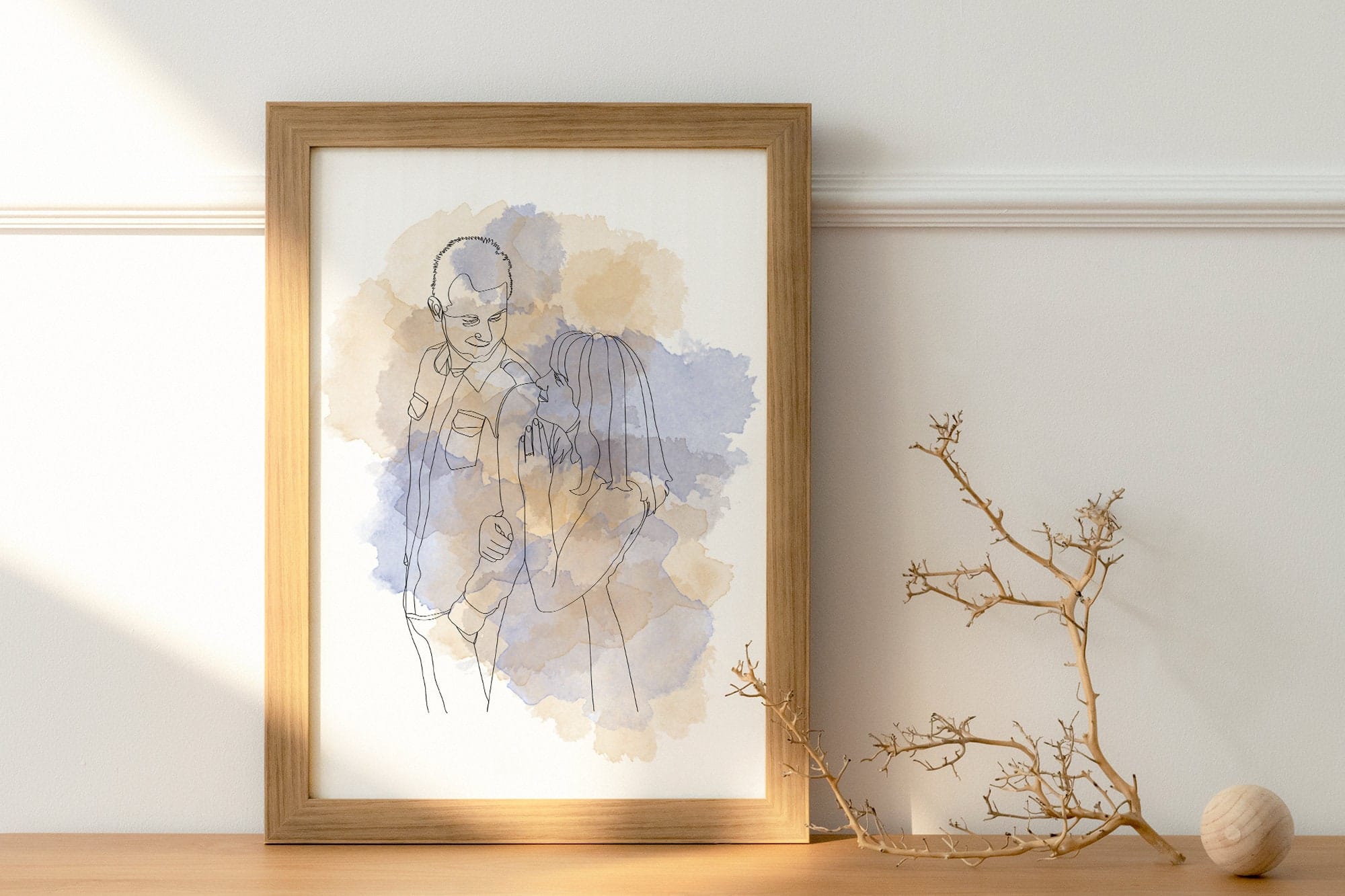
Which style to choose is honestly a matter of taste. Line art sits well in a minimal room and suits a pet with a strong outline, like a whippet or a cat with tall pointed ears. Watercolour suits fluffy or patterned coats, where the colour is half of who they are. You can see both in the OpenHeartLines shop if it helps to compare them side by side.
Before and after: photos that changed the result
These are swaps I see often. None of them needed more than a phone and a different spot in the house.
The dark dog in a dark room
The first photo showed a black spaniel on a navy sofa, lit by a table lamp. His face read as one dark shape, with no edge between ear and cushion. The second was the same dog on the back step on a cloudy afternoon, where the ear separated from the head and the eyes had light in them. I drew from the second one.
The phone held above the cat
Here the first photo was a cat gazing up at the camera from the floor. From that angle her face became a wide triangle on a tiny body. The replacement was taken from the windowsill at her own height. The drawing looks like her because her head is the right size.
The only photos left
With a memorial portrait there is often no chance to take a better picture. Send everything you have. One photo might show the face well while another is the only one with the white patch on a back paw. Tell me which details matter most to you and I can bring them together in one drawing.
Choosing a personalised pet gift for someone else
A surprise portrait makes the photo harder to get hold of. Pictures saved from social media are compressed and cropped, so ask a partner or housemate to send you the originals quietly. Something like 'I need a nice photo of the dog for something' usually works without giving the game away.
Think about where it will hang before you order. A single pet head suits a small frame on a desk or a bookshelf. Two pets side by side need a wider shape, and it helps a lot if both photos were taken from a similar angle.
Most portraits arrive as a high-resolution digital file. You print it at whatever size suits the wall and choose the frame yourself.
When you have a photo you're happy with, you can order a custom pet portrait from our Etsy shop. Send the extra photos too, because I always end up using them.
Frequently asked questions
Can you draw a pet portrait from a blurry photo?
Often, yes, within limits. A slightly soft photo is usually fine for line art, because the drawing depends on shape more than texture. If the eyes are badly blurred, the expression becomes a guess. Send it along with any other photos you have, even poor ones, so the markings can be checked against more than one picture.
How many photos should I send?
One good photo is enough, but two or three are better. Send your favourite for the pose, then a couple that show the coat colour and markings clearly. For a memorial portrait, send everything you have. Extra photos often settle a question about the shape of an ear or a patch of white fur.
Can two pets be drawn together from separate photos?
Usually, yes. Pets rarely sit still together for a good shot, so this is a very normal request. Choose photos taken from a similar height and in similar light so the pair look natural side by side. Mention which pet should sit on the left, and whether you want them touching or slightly apart.
Is line art or watercolour better for a gift?
It depends on the person and the room. Line art is clean and modern, and suits plain walls and simple frames. Watercolour is softer and shows the real colours of the coat, which can feel right for a memorial piece. If you are unsure, choose the style that fits the room where it will hang.