Watercolour Pet Portrait: What the Paint Actually Does
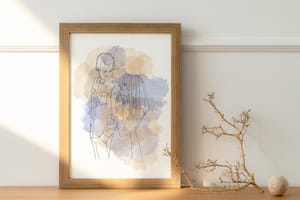
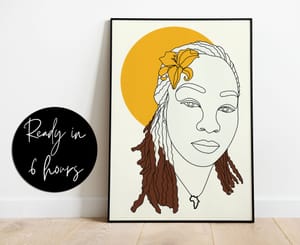
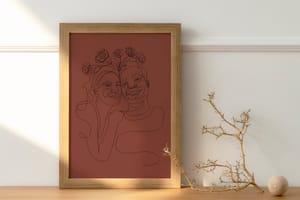
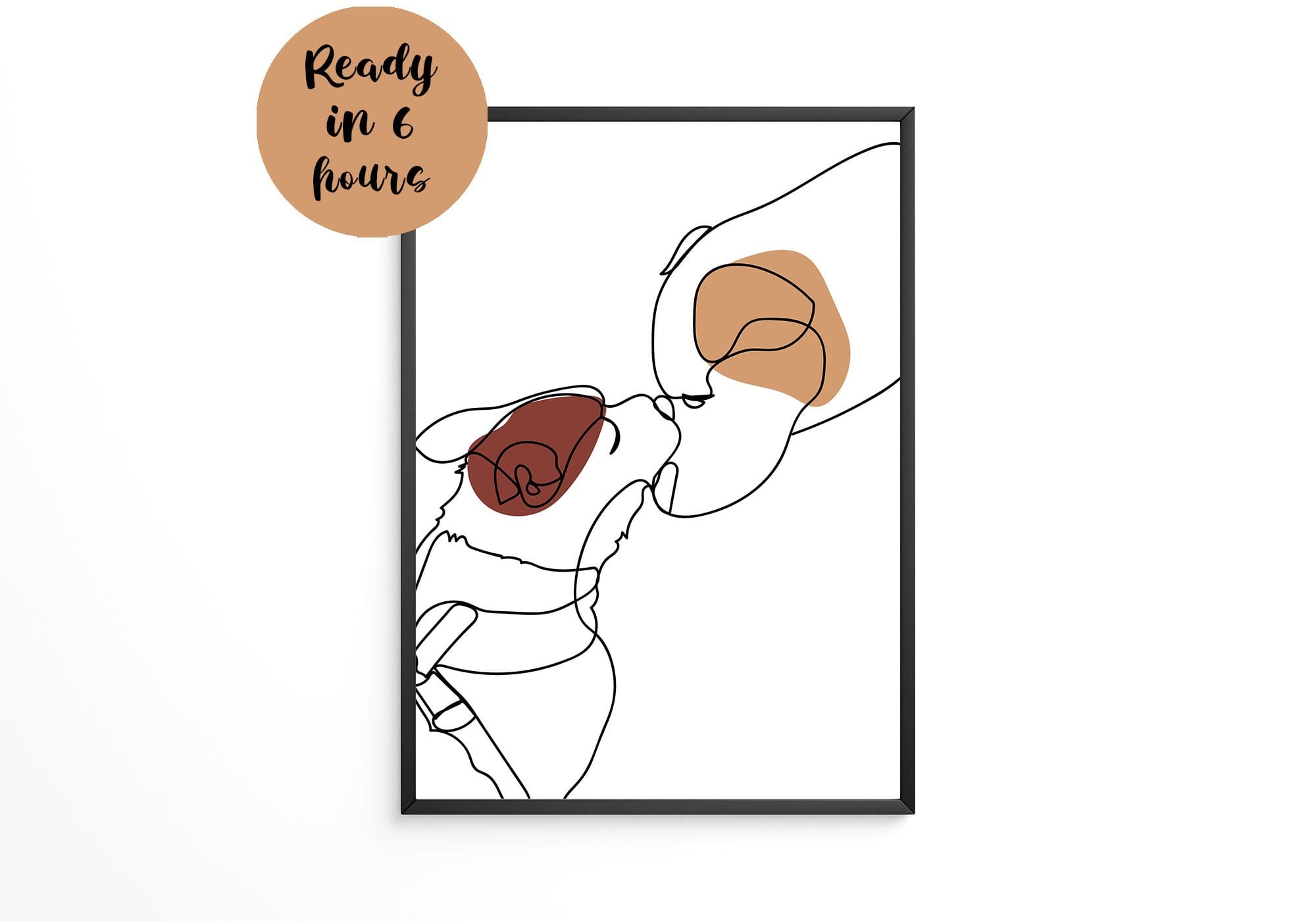
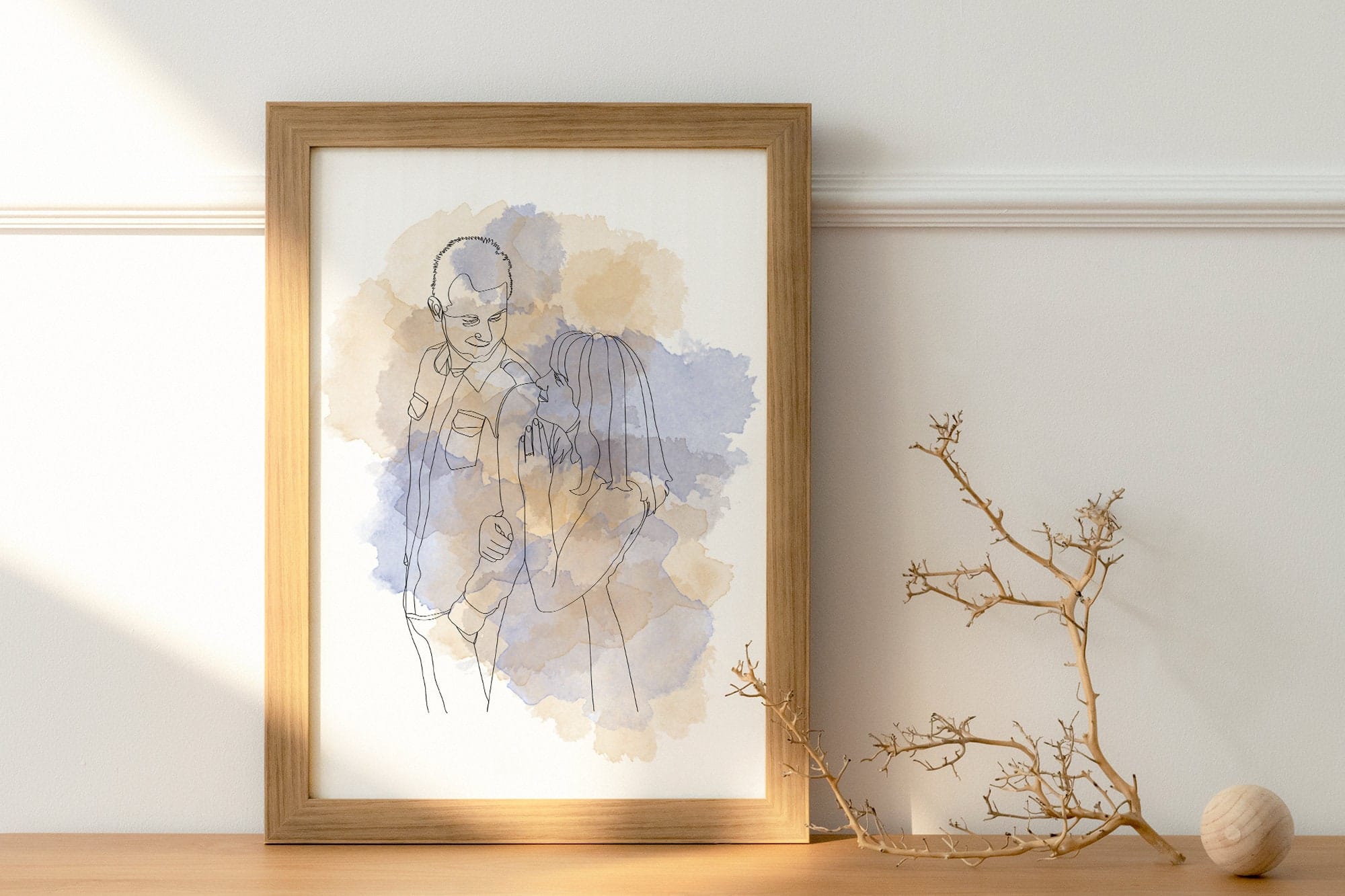
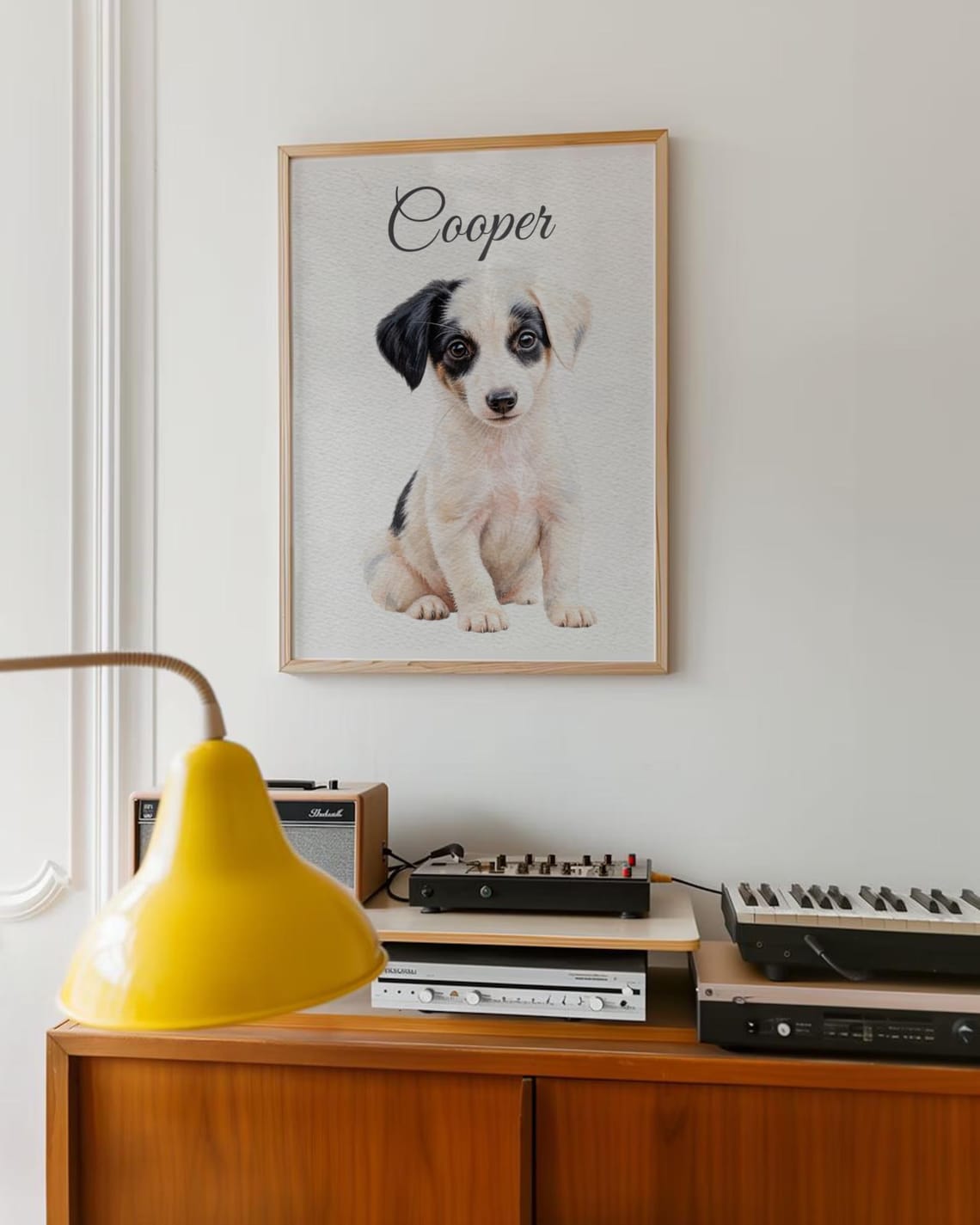
A watercolour pet portrait starts from the same photo as a line drawing. The paint just makes different decisions with it. Line art keeps the outline and leaves the paper to do the rest, while watercolour fills the shape with colour and lets the edges go soft where wet paint meets wet paint. If you are choosing between the two for a gift, it helps to know what each one does to a face you know well.
The short version: pick watercolour if your pet's colouring matters to you, say a ginger cat or a dog with one brown ear. Pick line art if you love the shape of their face and want something cleaner. For watercolour, send a photo taken in daylight at your pet's eye level, with the eyes sharp and the coat colour left as it really is.
What watercolour does that line art does not
Colour carries the likeness
Put a black Labrador and a yellow one into line art and they can look almost identical. In watercolour they never do. The paint picks up the warm red in a chocolate coat and the grey that has crept into an older muzzle. Small colour notes like these are often what makes an owner say "that's him" before they have looked at anything else.
Soft edges instead of outlines
Watercolour does not put a hard line around the animal. The edges fade out into the paper, which suits fluffy coats and the feathering on a spaniel's legs. Smooth, short-coated dogs paint perfectly well too. You just notice the softness most on long fur.
Less detail, more mood
A good watercolour leaves things out, and I mean that as a compliment. I don't paint every whisker. The eyes and nose get the sharpest, most careful work, and the rest of the head is suggested with a few washes. If you want every hair accounted for, watercolour may frustrate you, and that is a fair matter of taste.
Watercolour or line art: which suits your gift?
Before I asked anything about the pet, I would want to know who is receiving it and where it is going to hang.
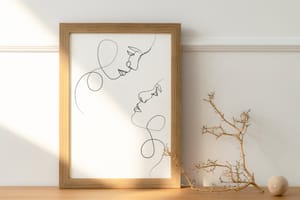
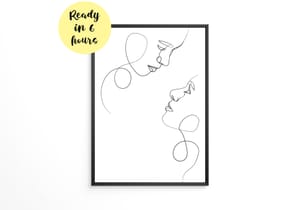
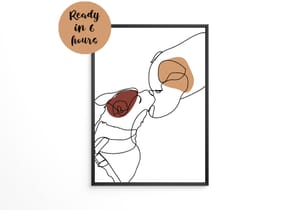
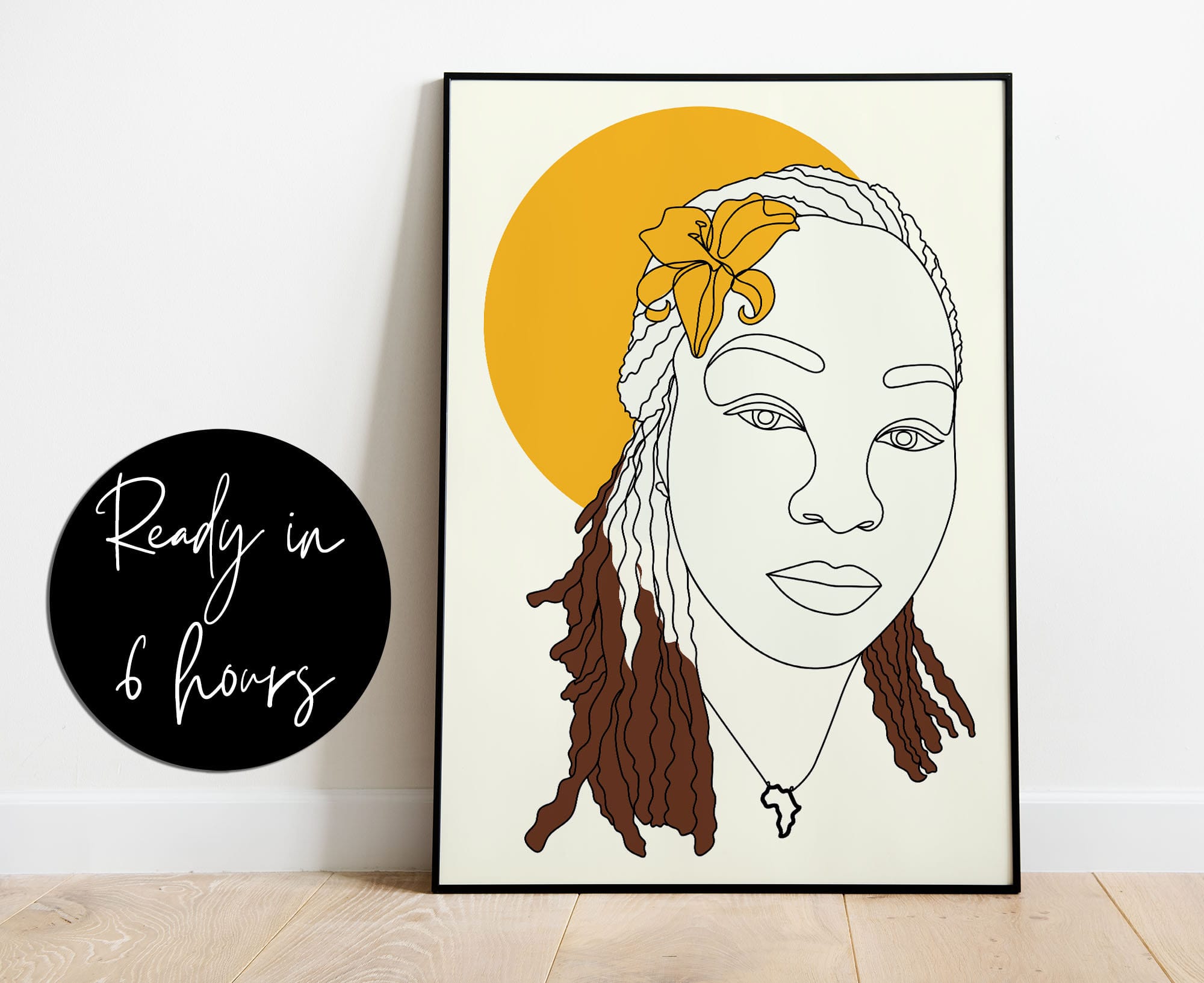
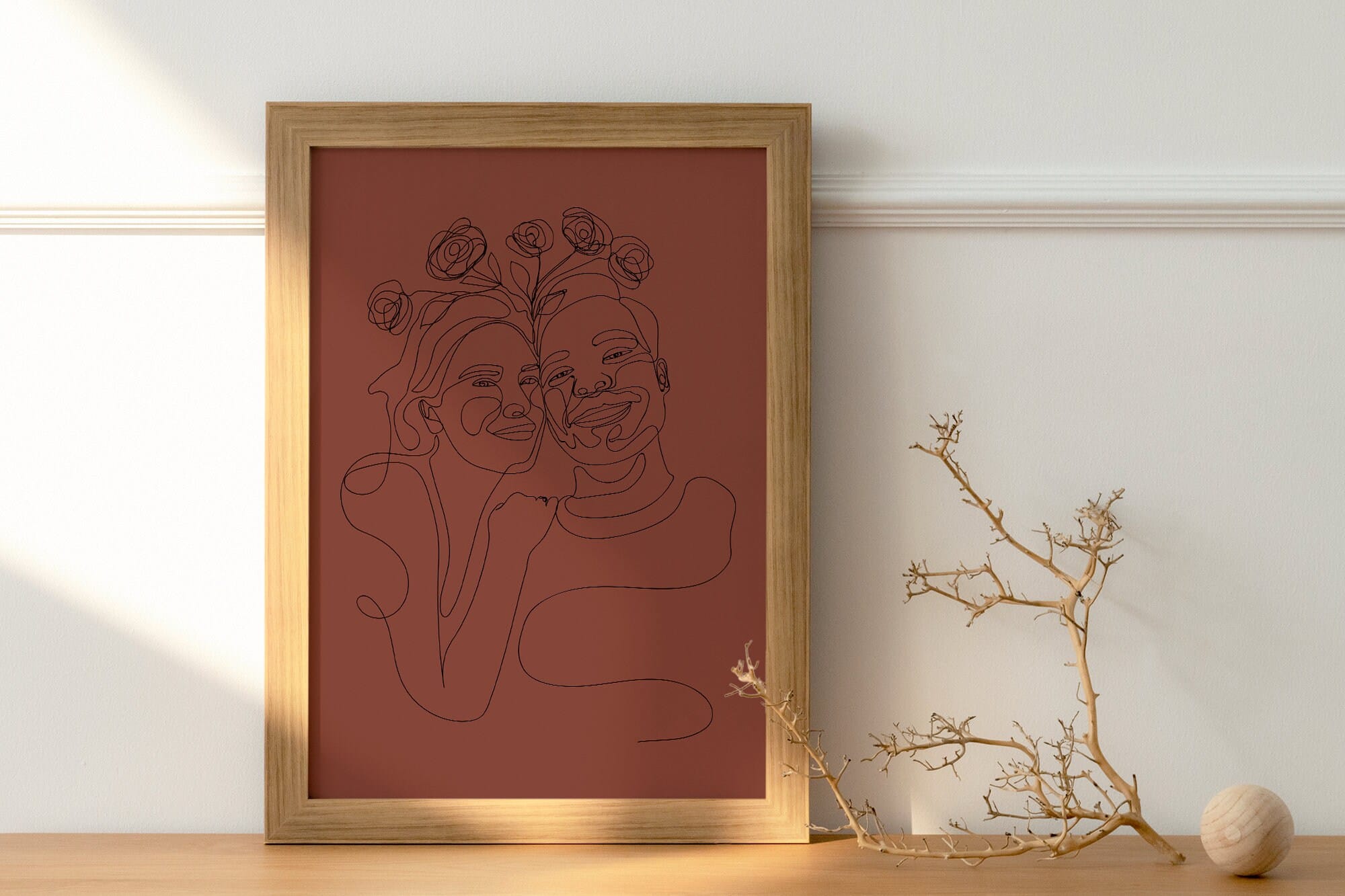
Line art tends to suit a modern flat with white walls and black frames, and it sits happily among other prints on a gallery wall. It also stays clear when several pets share one piece. The shapes don't blur into each other.
Watercolour suits a warmer room, or a hallway that gets soft afternoon light. Colour carries further than a thin line, so it reads from across the room. Many people also find it the kinder choice for a memorial, where the gentleness of the paint matters more than precision.
If you are still torn, our guide to ordering a custom pet portrait from a photo puts the two styles side by side and covers what to send for each.
The photos that make the best watercolour pet portrait
Paint is forgiving about pose and much less forgiving about light. I can soften an awkward angle. I can't fix a photo with the wrong colour by guessing what the coat should look like.
- Daylight from a window, with the flash off. Flash turns eyes green or white and flattens the coat.
- The camera at your pet's eye level, which usually means kneeling for a dog and lying on the floor for a cat.
- Eyes in sharp focus. If the eyes are soft, the painting loses the sense of a real animal looking back at you.
- True colour, with filters and warm editing turned off. I paint the colour that is in the photo.
- The whole head in frame, both ears included. A cropped ear has to be invented.
- A plain background, or one you are happy to see replaced with a soft wash.
- The full-size original file, not a screenshot or an image saved from a messaging app, which strips out detail.
- For a memorial portrait, the best few photos you have, even if none is perfect, so the coat colour can be checked across them.
Older photos still work. A slightly blurry picture of a dog who has died is often the only one there is, and watercolour copes with that better than line art because softness is part of the style anyway. The same advice holds for line art, and the pet portrait photo guide has a few more examples.
Getting a watercolour dog portrait right
Dog coats vary so much that a few notes with the order really help. Mention anything the photo doesn't show, like a white patch hidden under a collar or a chin that has gone grey since the picture was taken.
If you send several photos, tell me which one has the real face. You know the expression that belongs to your dog, and it isn't always in the sharpest picture.
Eye colour deserves its own line in the notes. Amber eyes can look brown under indoor light, and pale blue can photograph as grey. A short note saves me guessing.
Every watercolour at OpenHeartLines is painted from the photo you send, so the checklist above is exactly what I work from. If you'd like to see how different coats come out in paint, have a look through the watercolour and line-art pet portraits on Etsy.
What arrives, and how to print it
Most orders arrive as a high-resolution digital file within a day or two. You then choose the paper and the size yourself, and with watercolour that choice matters more than it does with line art.
Paper and size
Print on matte or textured paper. Glossy photo paper fights the look of paint and catches the reflection of every window in the room. A cotton rag or fine art matte stock from a local print shop shows the soft edges properly.
For a single pet on a shelf or desk, A4 or 8x10 inches is about right. A3 gives a bigger dog some room on a hallway wall. If the frame allows, leave a white mount around the picture, because watercolour looks better with space around it.
As a hand-painted pet gift
Some buyers want a hand-painted pet gift they can hold. Printed well on matte paper, a high-resolution file looks close to that on the wall. It can also be printed again if the frame breaks or someone else in the family wants a copy.
If you already have a photo that ticks most of the list, it is ready to paint. You can order a custom watercolour portrait from the shop and add your notes about colour at checkout.
Frequently asked questions
Can a watercolour pet portrait be painted from an old or blurry photo?
Usually, yes, and watercolour copes with a soft photo better than line art does, because the style is soft anyway. The eyes need the most information, so send the clearest picture of the face you have, plus any others that show the true coat colour. If a marking is missing from the photo, describe it in the order notes.
Is watercolour or line art better for a memorial gift?
It is a matter of taste, though many people find watercolour gentler for a pet who has died. The colour brings back the coat they remember, and soft edges suit an older photo. Line art is the better pick if the person likes clean, modern prints, or if the only photo you have has poor colour.
What size should I print a watercolour pet portrait?
A4 or 8x10 inches suits a single pet on a shelf or a small wall. A3 or larger works in a hallway or above a sideboard, where people see it from a few steps away. Print the high-resolution file on matte paper and leave a white border or mount so the soft edges have some room.
How long does a custom watercolour portrait take?
Most orders arrive as a high-resolution digital file within one to two days. After that, the timing depends on printing. A local print shop can often turn round a fine art print within the week, so leave a little extra time before a birthday or anniversary if you also need to buy a frame.