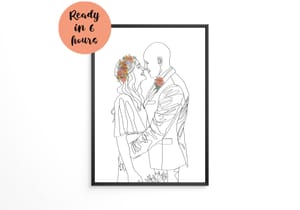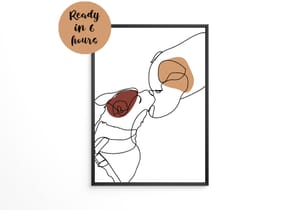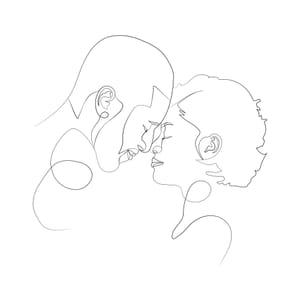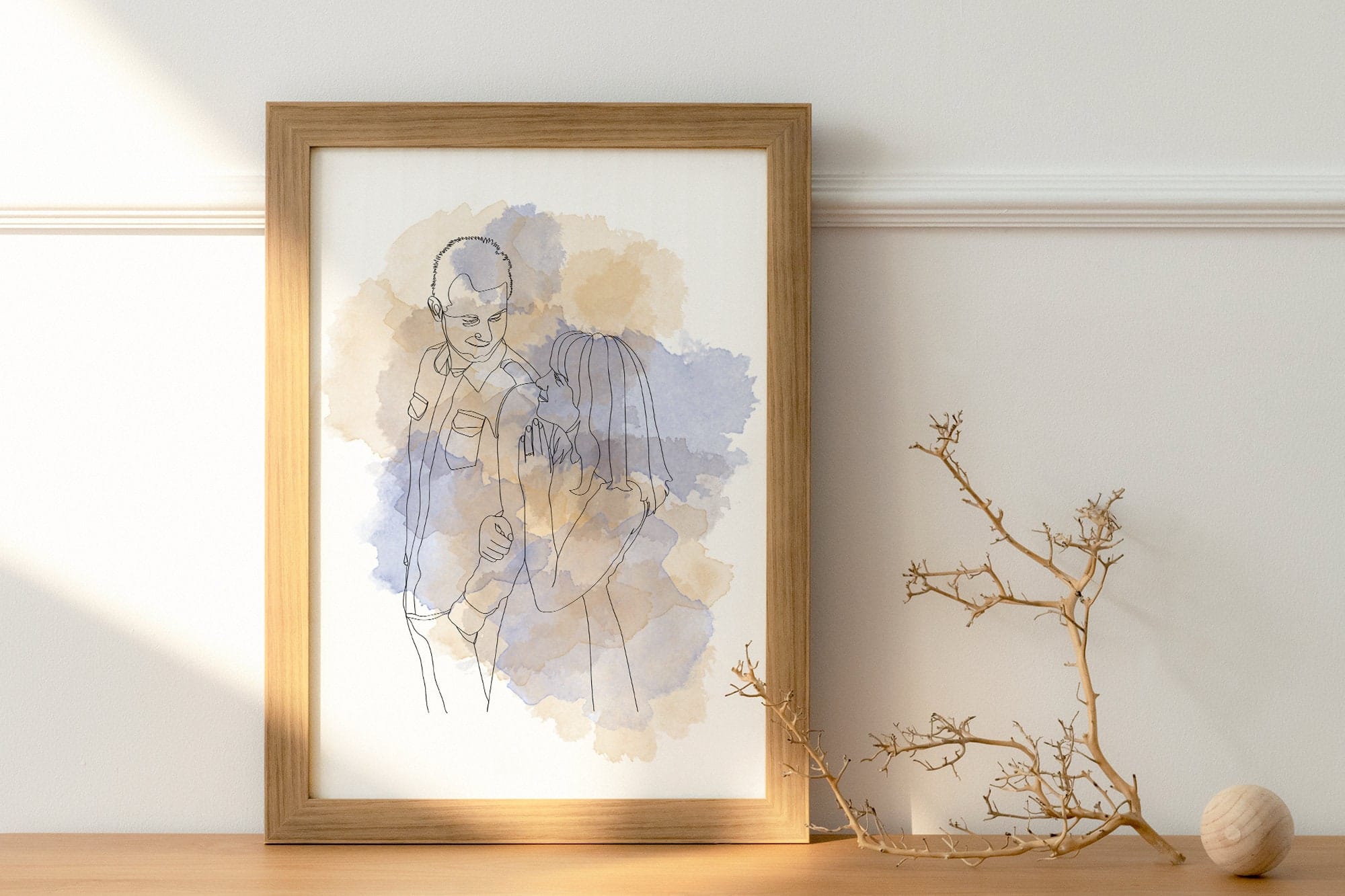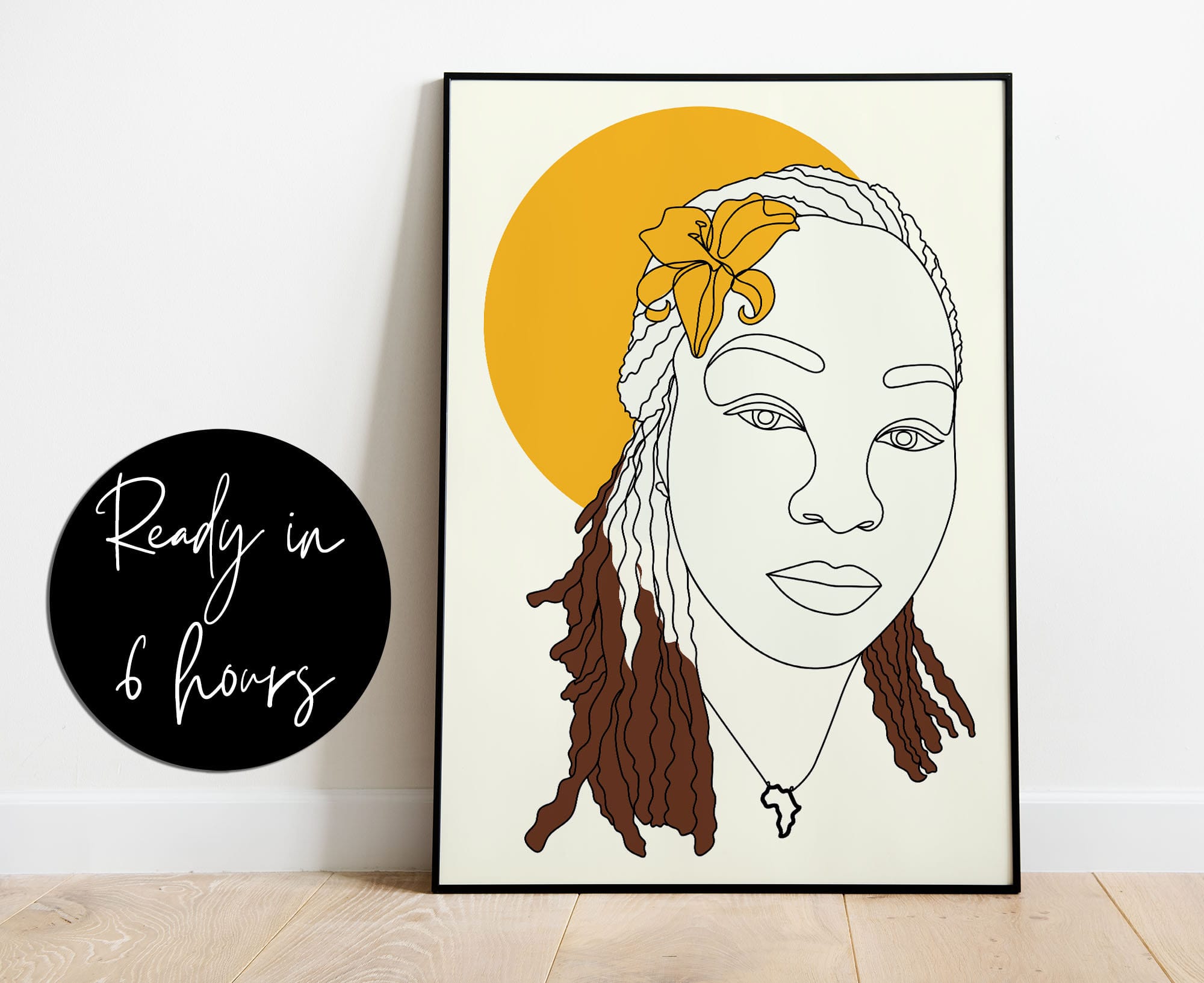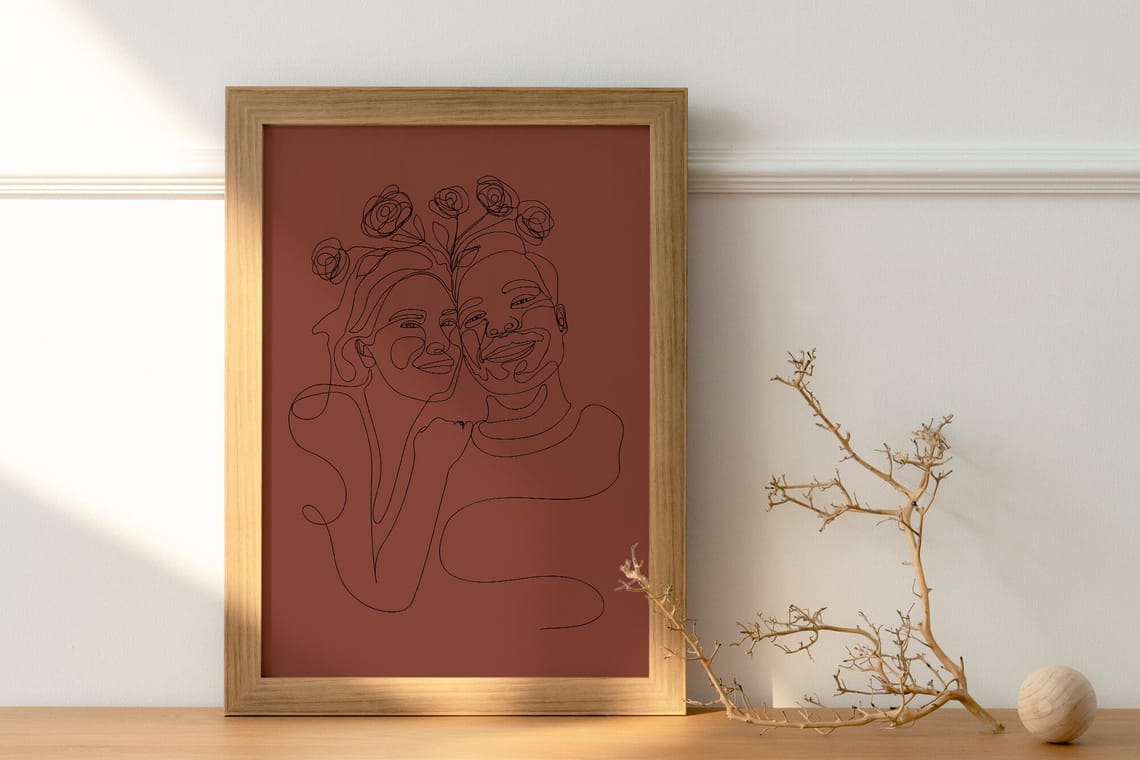
Personalised Gift for Grandparents Who Have Everything
Every family has a grandparent who says "don't get me anything" and means it. A drawing of their family gets round that, because it isn't another object to find room for. It's a picture of the people they think about most, which is a different sort of present.
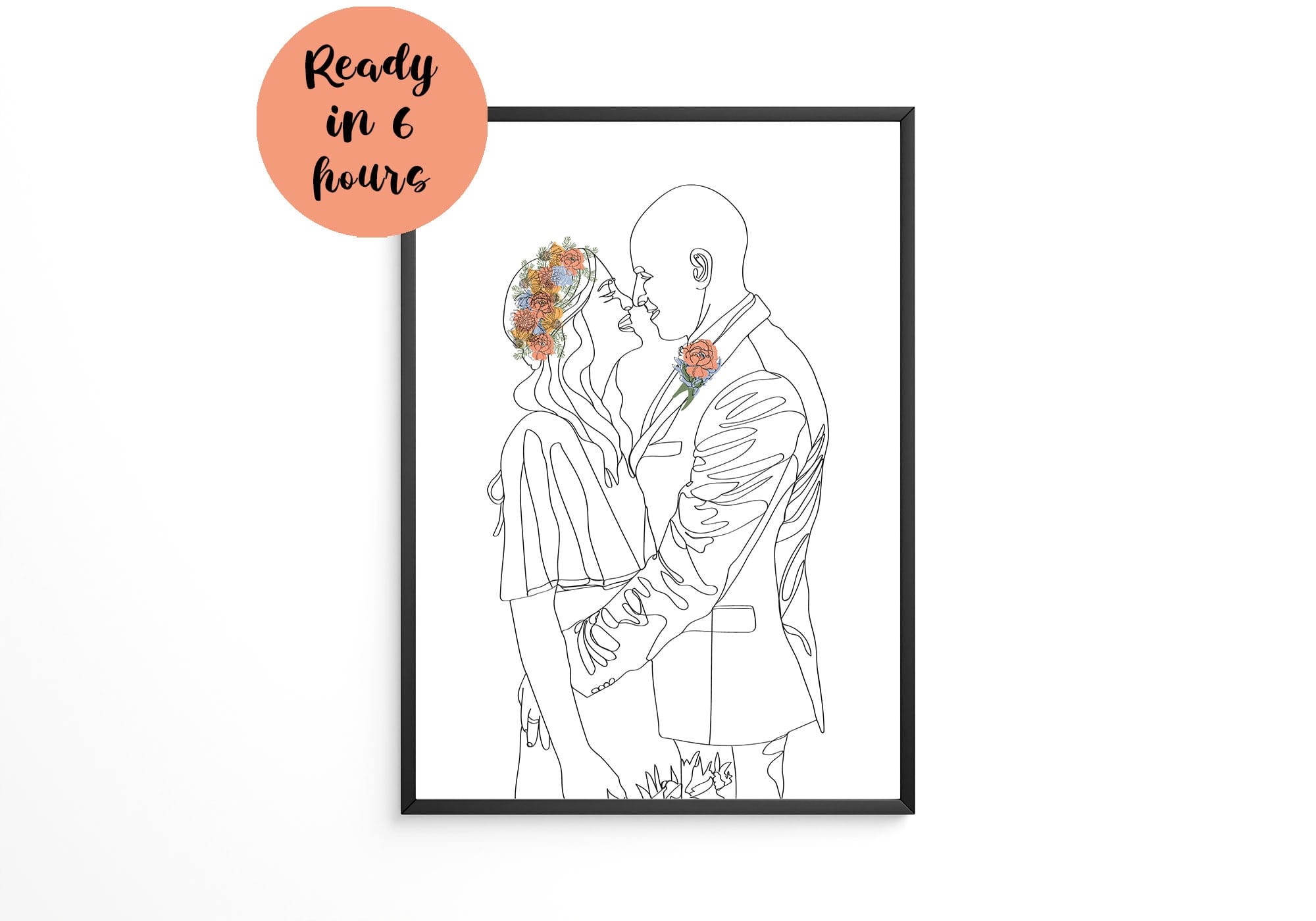
The quick answer: pick a photograph that already means something to them, often an older one, and have it drawn as line art or watercolour. Add the grandchildren's first names and a date underneath. Send the original file rather than a screenshot. Allow a couple of weeks before the occasion if you want it printed and framed.
Why a personalised gift for grandparents beats another object
By the time someone has grandchildren, they usually own everything they need and most of what they want. The gifts that still work are the ones with something in them to look at. A drawing of the family says "here is who you have", which a scarf or a box of biscuits cannot do.
There's a practical reason as well. Photographs from the last fifteen years live on phones and in cloud accounts, so grandparents rarely have the album they once did. A family drawing for grandparents pulls one image out of that stream and puts it somewhere they walk past every morning.
It survives the first week
Most gifts get eaten or worn out. A framed portrait gets hung and stays hung. People will often tell you months later exactly which wall it went on, which is a fair sign the choice landed.
How to choose the photograph
This is the part that decides whether the gift works. A drawing can only be as good as its reference, and nearly all of the feeling comes from which moment you pick.
Why an old photograph often wins
Most people reach for the newest group shot. Try going backwards instead. Your grandmother holding your mother as a baby, or grandma and grandpa on a beach in 1974, tends to land harder than last Christmas's photo, because they have never seen it drawn and because it puts them back inside a version of themselves they remember.
Old prints work perfectly well as references. Photograph the print flat in daylight rather than scanning it at an angle, and don't worry about creases, fading or an odd colour cast. A hand drawing rebuilds the image instead of copying its damage.
What makes a photograph work as a reference
Before you send anything, open it on a big screen rather than your phone, then check the following:
- Faces are in focus and big enough that you can see eye colour when you zoom in.
- Light falls on the front or side of the face rather than coming from behind everyone.
- Eyes are open and expressions look natural rather than held for the camera.
- Nobody important is half hidden behind another person's shoulder.
- You are sending the original file, not a screenshot or a copy forwarded through a messaging app.
- Heavy filters are switched off, since they flatten the shadows an artist uses to build a face.
- Hats and sunglasses are off, unless they are genuinely part of who that person is.
- Hands, rings and pets are visible if they matter to the story of the picture.
Including grandchildren who live far away
Families are rarely in one room any more, and the photo with everyone in it often doesn't exist. That's the most common reason people give up on the idea, and it's the easiest thing to fix. Send several photographs and ask for them to be combined into one piece.
The usual approach is one clear photo per person or per household, all drawn at the same scale and arranged as a single group. Say who is who, and roughly how you would like them placed, whether that is eldest to youngest or the two families sitting either side of the grandparents.
Making separate photos sit together
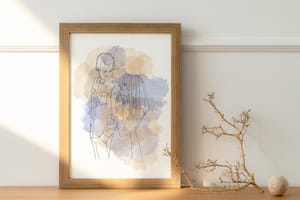
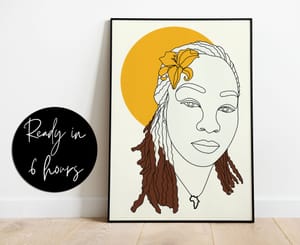
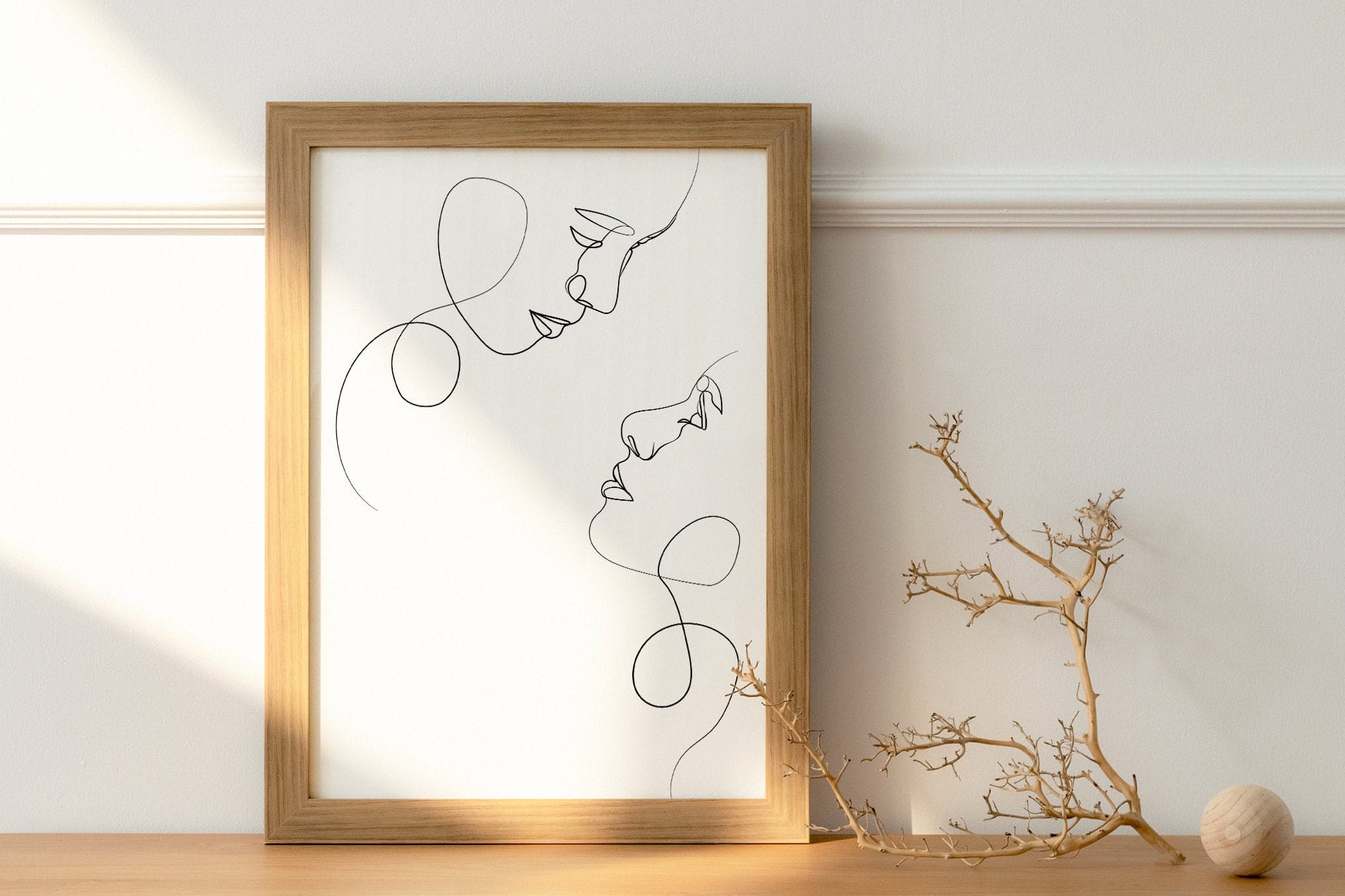
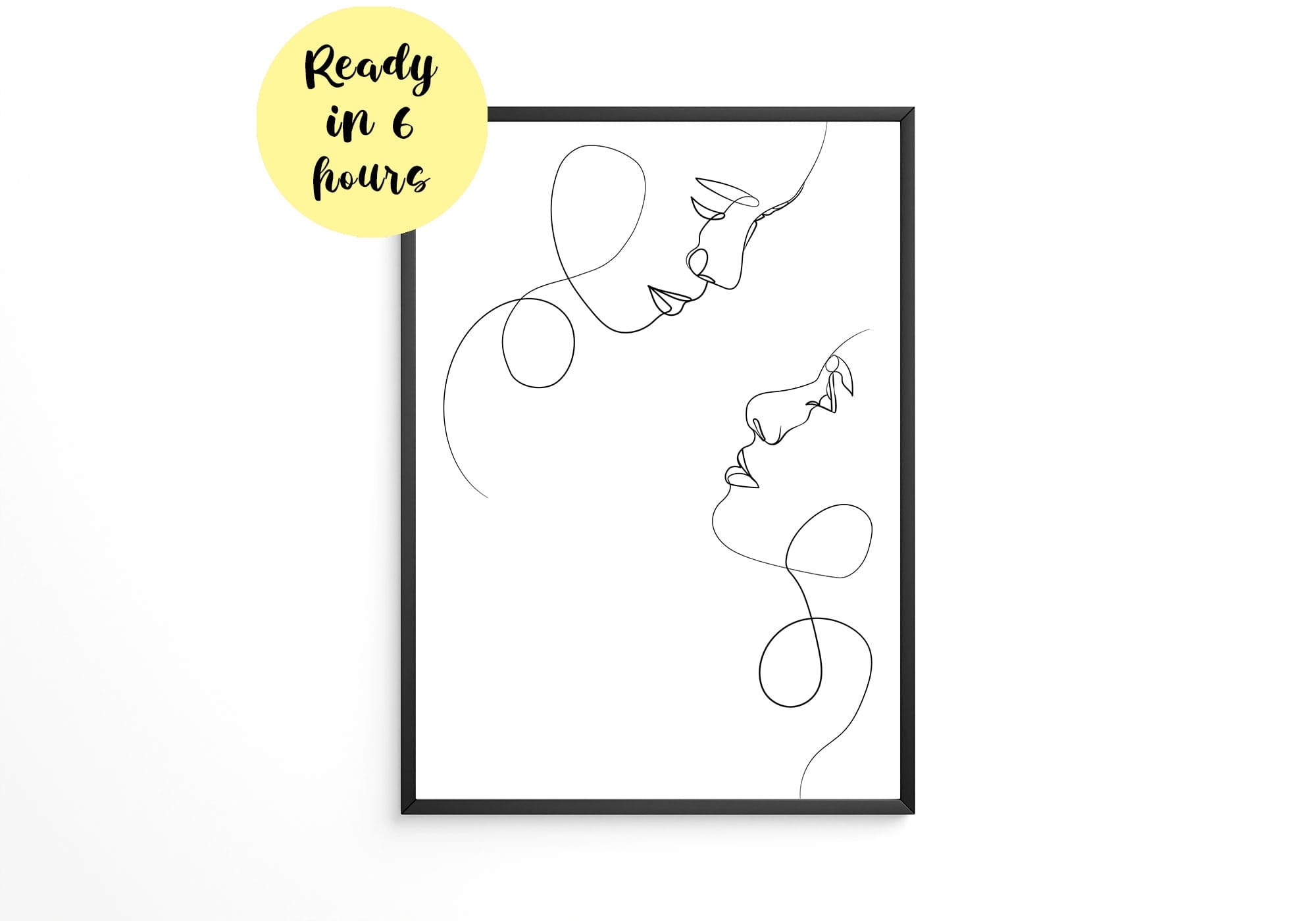
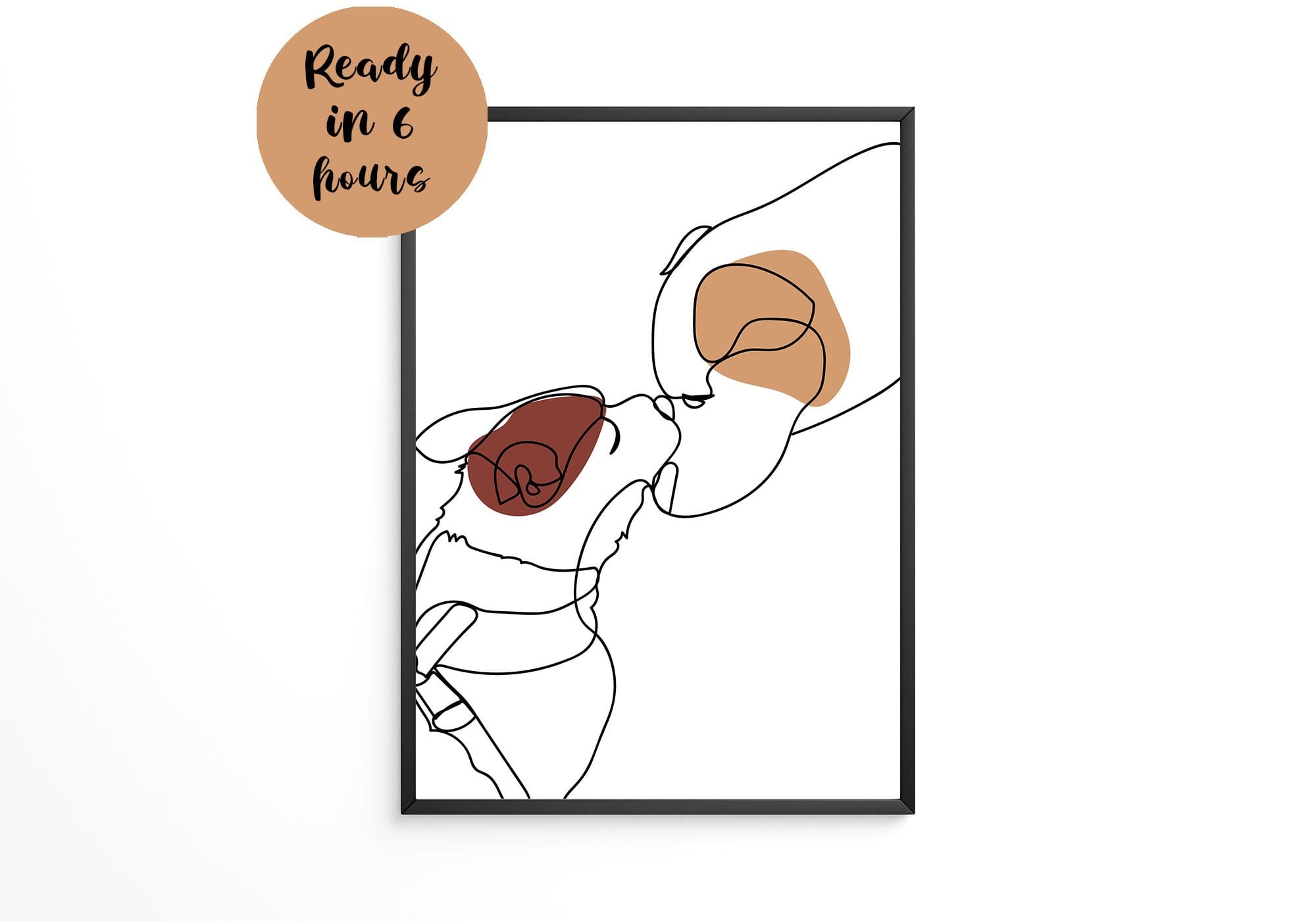
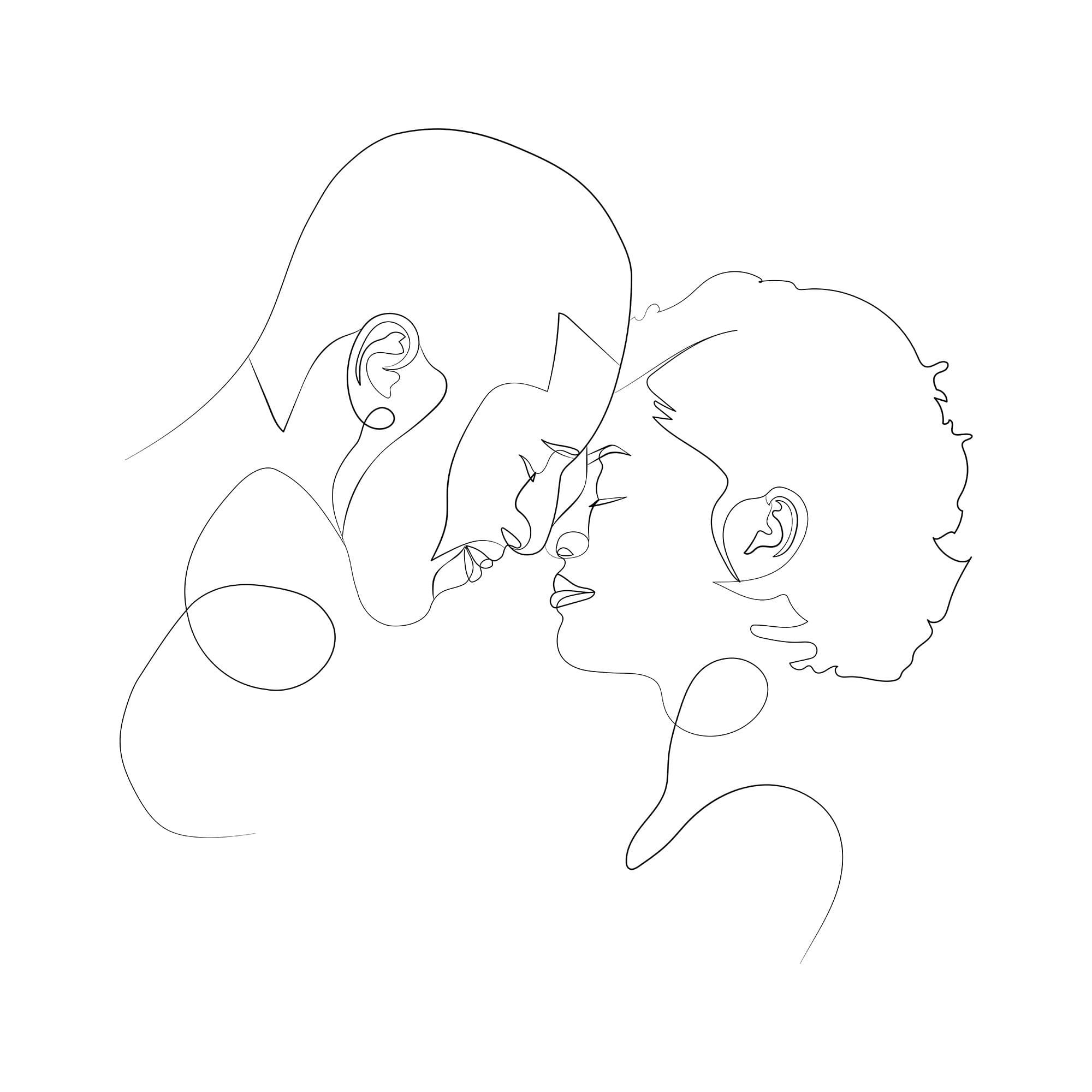
Composites read best when the source photos are lit in a similar way. If one cousin's picture is a bright garden shot and another's is a dim kitchen snap, the style you pick matters. It's worth reading through the differences between line art and a watercolour portrait before you order, because line art absorbs mismatched sources more forgivingly, while watercolour rewards even, natural light.
Include the dog. For a great many grandparents the dog is a grandchild, and its absence is the first thing they will notice.
If the photos are already sitting in a folder on your phone, most of the work is done. Send them over at the OpenHeartLines shop and we can work out the arrangement between us before I start drawing.
Names, dates and the line underneath
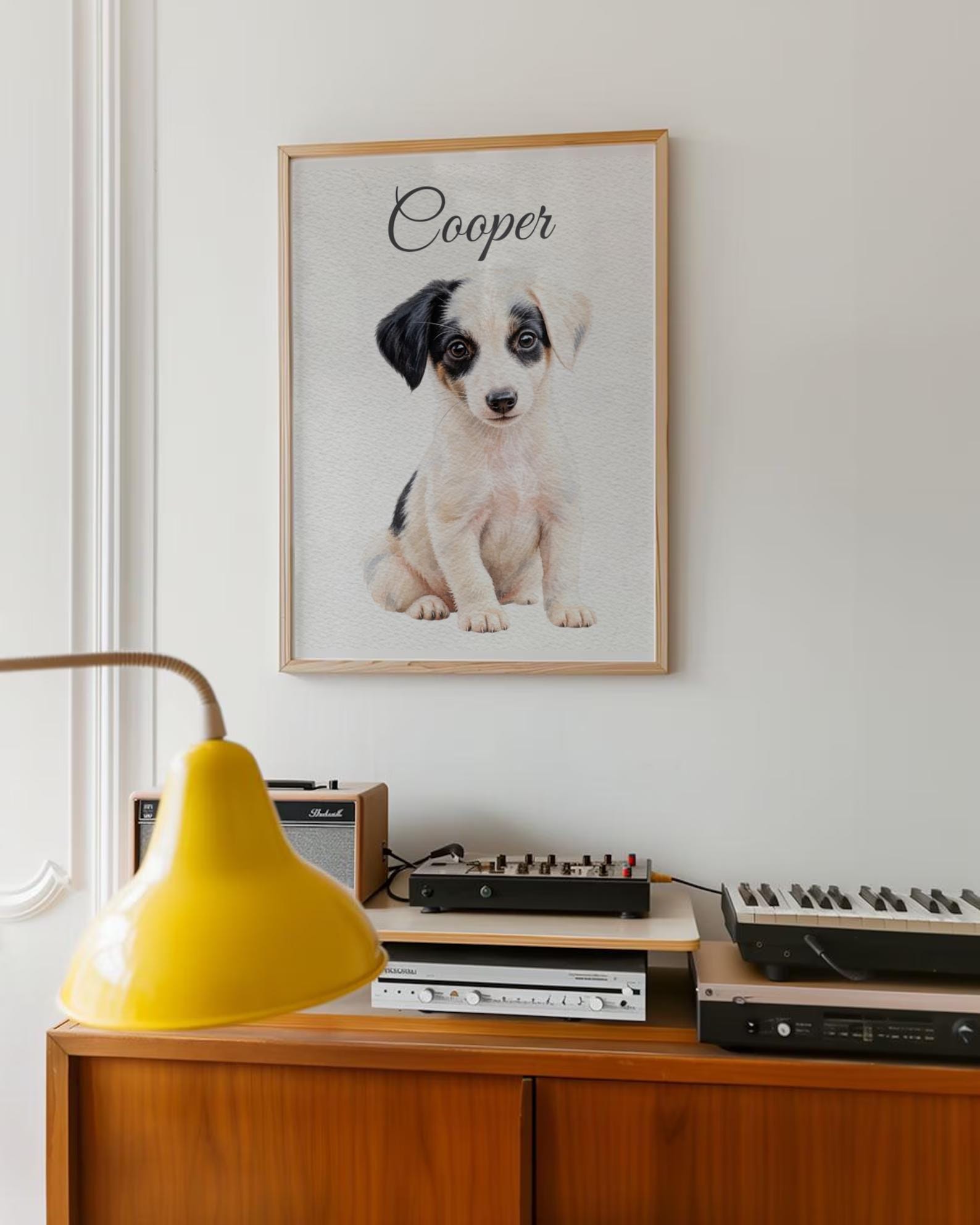
Lettering is what turns a nice picture into a keepsake grandparents keep. Without it, a drawing is only a drawing. With a name and a year beneath it, it becomes a record of one family at one point in time.
Keep it short. Grandchildren's first names in a row is the safest choice, because it stays true as the children grow. A single date works when the picture marks something specific, like a wedding, a golden anniversary or the day the first grandchild arrived. Use the names they are actually called, so "Nana and Grandad" rather than anything formal, since a gift for Nana should sound like her.
Resist filling the white space. One line of text under a drawing looks considered, while three lines starts to look like a certificate. Anything longer belongs in the card.
Presenting it for a birthday, anniversary or Christmas
Most custom portraits arrive as a high-resolution digital file, which leaves you free to decide how it appears on the day.
For a birthday or an anniversary, framed is nearly always right. You can print the file at home on decent paper for smaller sizes, or send it to a print shop for anything above A4. Match the frame to the room it will live in rather than to the drawing. A plain oak or black frame disappears, and the picture is what people see.
As a grandparents Christmas gift, print it and wrap it flat between two pieces of card. A framed picture under a tree announces itself before it is opened. If the gift is coming from several households, have everyone sign the back of the mount before it goes in the frame.
Timing is mostly about printing, not drawing. Personalised work at the OpenHeartLines shop is usually ready within a day or two, and framing is the slow step. Order two weeks ahead if you want it framed, and a few days ahead if you are printing it yourself. If you live far away, send the file to a print shop near them and have the finished print collected by whoever is visiting. Once you know which photograph you want drawn, send it across and I will take it from there.
Frequently asked questions
What is the best personalised gift for grandparents who say they want nothing?
Something with information in it rather than another object. A drawing of their family, taken from a photograph they already love, with the grandchildren's first names underneath. It costs them nothing to keep, takes up one patch of wall, and says who they have in a way a scarf or a box of biscuits never will.
Can you make a family drawing if we have never all been photographed together?
Yes. Send one clear photograph of each person or household and ask for them to be drawn as a single piece. Tell me who is who and roughly how you'd like them arranged. Line art copes with mismatched sources especially well, since it isn't trying to match skin tones and lighting across photos taken years apart.
Should I use an old photo or a recent one?
Old, more often than people expect. A recent group photo is already familiar to them. A picture from forty years ago isn't, and seeing it drawn tends to stop them in their tracks. Creases and fading don't matter, because a drawing rebuilds the image rather than copying its flaws.
How far in advance should I order for Christmas?
The drawing itself is quick, usually a day or two for personalised work. Printing and framing is what slows everything down in December. Order by the end of November if you want it framed and wrapped. A few days is plenty if you are printing at home and giving the file with a card.